

Supporting pediatric cancer patients, every step of the way
At Penn State Health Golisano Children’s Hospital, we understand that a cancer diagnosis affects not just the body but also the daily lives of children, teens, young adults and their families. That’s why we offer a variety of social and emotional supportive care programs that are carefully designed to meet their needs through every step of their journey. Whether your child is just starting treatment, going through care or moving into survivorship, our support services are here to help your family feel cared for and supported along the way.
Emotional and Psychological Support
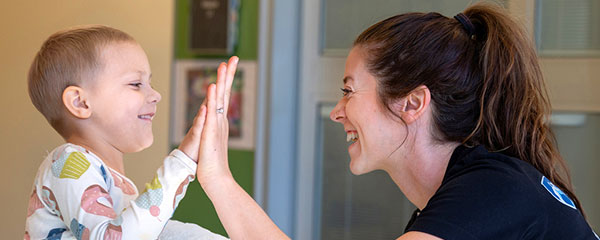
- Child Life Program - Provides age-appropriate explanations and activities that build coping skills and help patients feel comfortable openly sharing their emotions and experiences.
- Art Therapy - Uses creative self-expression to help patients explore and understand their feelings and experiences.
- Facility Dog Program - Staff partner with professionally trained dogs to provide customized, goal-driven patient support.
- Language Assistance Services - Available for your child's medical care, free of charge.
- Music Therapy - Uses music-based activities to improve the physical, emotional, mental and social well-being of patients and their families.
- Social Work - Our team of professional social workers helps children with cancer and their families manage the emotional, social and practical challenges of diagnosis and treatment. Working closely with doctors and nurses in both the hospital and outpatient clinics, social workers provide emotional support, connect families to services they need, speak up for them, offer education and support them through grief and loss.
- Child and Adolescent Psychology - Provides psychotherapy for adjusting to, and coping with, the social and emotional effects of a pediatric cancer diagnosis. The service is available for patients in active treatment, survivors and bereaved parents and family members.
- Neuropsychology - Offers neuropsychological evaluations during and after cancer treatment to see how the illness and treatment affect your child’s thinking, attention, memory and learning. The results are used to create educational and emotional support plans for home and school.
- Grief and Bereavement - Offers grief and bereavement support to parents and families through programs hosted together by the Children’s Hospital and the Hummingbird Program.
- Pastoral Services - Provides spiritual and emotional support to patients and families of all faiths.
Physical Health and Well-Being

- Physical Activity Program - Staying active is an important part of your child’s care. Our pediatric oncology exercise expert offers personalized, age-appropriate physical activity programs to help your child stay physically strong and healthy throughout their treatment and survivorship.
- Fertility Preservation - Our registered nurse program coordinator discusses your child’s fertility preservation options after a cancer diagnosis. Medical procedures are available to help protect your child’s ability to have biological children in the future.
- Genetic Counseling - Helps diagnose and manage hereditary genetic conditions.
Education and Development

- Education – Our in-hospital, full-time teachers make sure children undergoing cancer treatment can continue their education in a supportive and flexible environment. Led by certified educators, this program works with each child’s school to provide personalized instruction that meets academic needs while respecting the child’s medical condition and energy levels.
Social Opportunities and Community Connection
- CancerBuddy - A smartphone app developed as a social support network for people with cancer. It connects patients (age 12 and older), caregivers and survivors for peer support. The Children’s Hospital has a private page within the app.
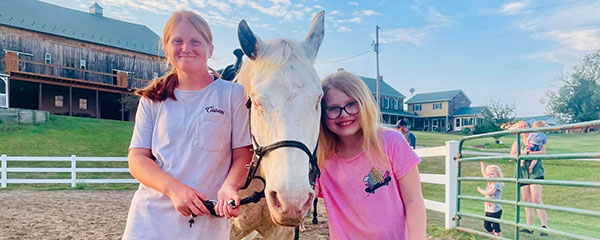
- Hoofbeat Haven – A therapeutic horsemanship program designed for pediatric cancer patients and survivors and led by certified instructors. It supports healing for the body, mind and emotions through time with horses.
- Life on Pause Podcast - Honest conversations led by and for young adults living with cancer.
- Life on Pause YouTube videos - Young adults navigating life with cancer share real stories and experiences.
- Oncology camps - Fun, supportive camps for patients and families to build friendships and learn ways to cope with life during and after cancer. Camps are available for kids, teens, young adults, siblings, families, survivors and those coping with loss. Studies have shown they help reduce fear, anxiety, depression and feelings of isolation by bringing people together who share similar experiences.
Supportive Care Research Programs

At Penn State Health Golisano Children’s Hospital, we care for our patients and their families every step of the way – not just with medical care, but also through research focused on improving emotional well-being and overall quality of life with both physical and mental health support.
Learn about:
- Childhood and Oncology Psychosocial Evidence-Based (COPE) Research Program: Explores ways to help children and families cope with stress, anxiety and the challenges that come with treatment.
- Pro-Active Research Program: Studies how physical activity can improve both physical and mental health, supporting independence, physical strength and function throughout cancer care.
Clinical trials and research
Our team conducts studies on pediatric cancer to advance care at the bedside.