


At Penn State Health, we understand that facing cancer can be overwhelming. That’s why our expert surgical team provides personalized, compassionate care, using the latest techniques and treatments. Whether you or a loved one are managing a cancerous or noncancerous tumor, we offer advanced options designed to improve outcomes and maintain quality of life.
Conditions We Treat
We specialize in complex surgeries that affect:
- Biliary tract
- Breasts
- Endocrine organs (thyroid gland, parathyroid glands and adrenals)
- Gastrointestinal tract (stomach and intestines)
- Liver
- Pancreas
- Skin (melanoma)
- Soft tissues (sarcoma)
Expert, Team-based Care
Our surgeons have advanced training in cancer surgery and are proud to be affiliated with Penn State Cancer Institute. We take a multidisciplinary approach to cancer care, bringing together experts from different specialties to provide you with the most thorough and personalized treatment possible.
When you or a loved one are diagnosed with cancer, we’re here to guide you every step of the way. To make your care as seamless as possible, you’ll meet with many of our specialists in a single location.
Our team meets every week to review each patient’s case, including imaging, lab results and pathology. Together, we develop a personalized care plan tailored to your specific diagnosis and needs. This team-based approach helps ensure the highest quality care, focused on both effective treatment and your overall well-being.
Our team
Your cancer care team may include:
- Surgical oncologists (cancer surgeons)
- Radiation oncologists (doctors who treat cancer using radiation)
- Medical oncologists (cancer doctors)
- Diagnostic and interventional radiologists (doctors who test for cancer and other conditions)
- Gastroenterologists (doctors who specialize in conditions of the stomach and intestines)
- Hepatologists (doctors who specialize in conditions of the liver, gallbladder, pancreas and biliary tract)
- Pathologists (doctors who diagnose cancer and other conditions)
- Endocrinologists (doctors who specialize in hormone-related conditions)
- Genetic Counselors
- Psychiatrists
- Palliative care physicians
- Patient care advocate
- Nursing personnel
Specialized Treatment Options
Neuroendocrine tumors
At Penn State Health, our surgical oncology team specializes in treating neuroendocrine tumors (NETs), a rare and complex group of cancers that can cause a variety of symptoms, depending on where they are located and whether they produce hormones. We carefully evaluate each patient to create a personalized treatment plan that uses both minimally invasive and traditional surgery to remove tumors in the pancreas, small intestine and liver. By working closely with endocrinologists, medical oncologists and nuclear medicine specialists, our surgeons tailor treatments in an effort to control the cancer while keeping you feeling your best.
Advanced robotic surgery for liver, pancreas and bile ducts
We use the latest robotic surgery techniques for Hepato-Pancreato-Biliary surgery – complex operations on the liver, pancreas and bile ducts. Using smaller incisions often means you'll have less pain, lose less blood and recover more quickly than with traditional open surgery. Whether it’s a major liver operation or pancreatic surgery like the Whipple procedure, our experienced surgeons provide expert care right here in central Pennsylvania.
Hepatic artery infusion pumps
For patients with colorectal cancer that has spread to the liver, or certain primary liver tumors, we are one of the few centers in the region to offer a special treatment called hepatic artery infusion (HAI) pump therapy.
This treatment uses a small pump that is placed under the skin during surgery. The pump is connected to a thin tube that delivers high-dose chemotherapy directly into the liver through the hepatic artery – the main blood supply to most liver tumors. Because the chemotherapy goes straight to the liver, patients can receive more effective treatment with fewer side effects on the rest of the body. The liver also helps filter the medication before it reaches other organs, further reducing side effects.
Our experienced surgeons are highly trained in safely placing and managing these pumps. For carefully selected patients, HAI pump therapy can help control liver tumors, improve quality of life and extend survival.
Peritoneal malignancies and HIPEC
Penn State Health also specializes in the treatment of peritoneal malignancies, which are certain colon, appendix or ovarian cancers that spread throughout the lining of the abdomen. For these complex cases, our team offers cytoreductive surgery combined with hyperthermic intraperitoneal chemotherapy (HIPEC). This highly specialized approach removes visible tumors and uses heated chemotherapy inside the abdomen to target any remaining cancer cells. By combining surgical precision with innovative technology, we give patients access to one of the most advanced cancer treatments available.
Breast surgery
At Penn State Health, we provide comprehensive, whole-person breast care, from routine screenings to advanced diagnosis and treatment for breast cancer and other breast conditions.
Breast cancer is common. The American Cancer Society estimates that 1 in 8 women will develop it in their lifetime. That’s why we focus on early detection, the most effective treatments and the latest research. As an academic health system partnered with Penn State College of Medicine, we are on the leading edge of breast cancer research. This means you can get innovative care that isn’t available anywhere else in Pennsylvania.
All the services you need are right here. Our experienced team includes breast imaging technologists, oncologists and surgeons who use the most advanced techniques, including 3D mammograms (tomosynthesis) and breast ultrasound. From your first screening through treatment and survivorship, you’ll receive expert care and compassionate support.
We understand the needs of women and their families. We care for the whole person – body, mind and spirit. You can count on personal attention, clear communication and a personalized treatment plan.
Through Penn State Cancer Institute, you also have access to a wide range of cancer care services including:
- Risk assessments and genetic counseling
- Nutrition support before, during and after treatment
- Art therapy and other programs to support emotional well-being
Our goal is to give you the most advanced treatments and personal support you need to heal and thrive.
Endocrine surgery
Penn State Health provides comprehensive endocrine surgery care for all patients, from newborns to older adults. We treat conditions involving the thyroid, parathyroid and adrenal glands.
Our surgeons use both minimally invasive and open surgical approaches for conditions such as:
- Thyroid cancer
- Hyperparathyroidism
- Adrenal tumors
You’ll also benefit from advanced testing and a team approach. We work closely with endocrinologists, radiologists, genetic counselors, pathologists and oncologists to ensure you get coordinated, expert care.
We also care for patients with inherited endocrine conditions, offering counseling, screening and long-term monitoring for syndromes such as:
- Multiple endocrine neoplasia (types 1, 2a and 2b)
- Inherited hyperparathyroidism disorders
- Inherited pheochromocytoma/paraganglioma syndromes
Services and specialties
- Adrenal gland surgery: We remove adrenal glands when they have noncancerous or cancerous tumors. These tumors can sometimes make too many hormones.
- Thyroid surgery: We treat thyroid cancer, overactive thyroid or large goiters that cause pressure or symptoms.
- Parathyroid surgery: Our team has two decades of experience using a small-incision surgery called minimally invasive parathyroidectomy (MIP) to treat overactive parathyroid glands.
- Pediatric endocrine surgery: We care for children with endocrine conditions and work closely with specialists in pediatric endocrinology, otolaryngology and anesthesiology.
- Minimally invasive techniques: Many procedures can be done with smaller cuts, laparoscopic tools or robotic help to reduce pain and recovery time.
Our Surgeons
Breast surgery

Karisa I. Beebe, DO

Rena B. Kass, MD

Kristine L. Widders, MD
Endocrine surgery
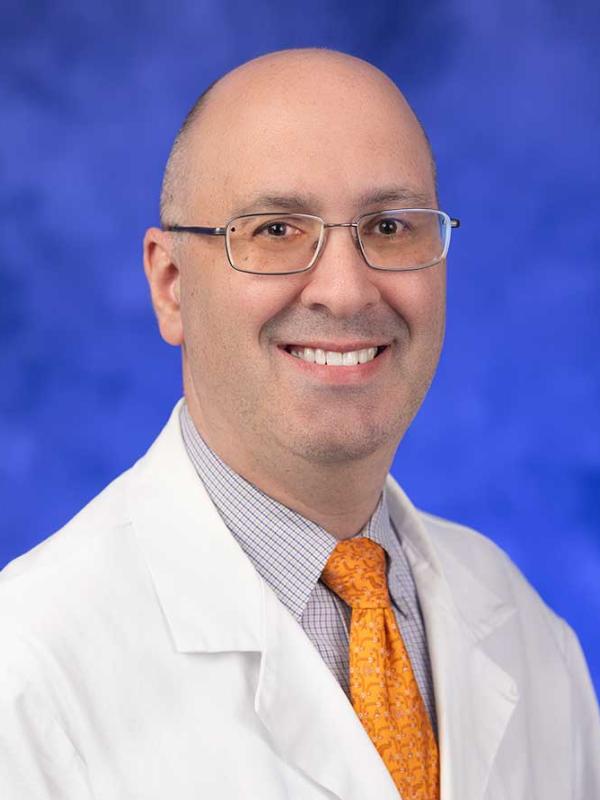
Brian D. Saunders, MD
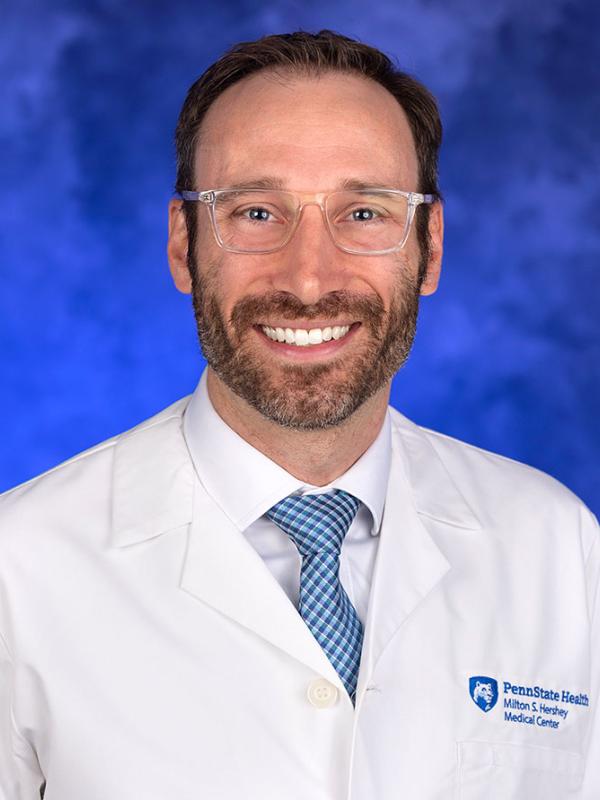
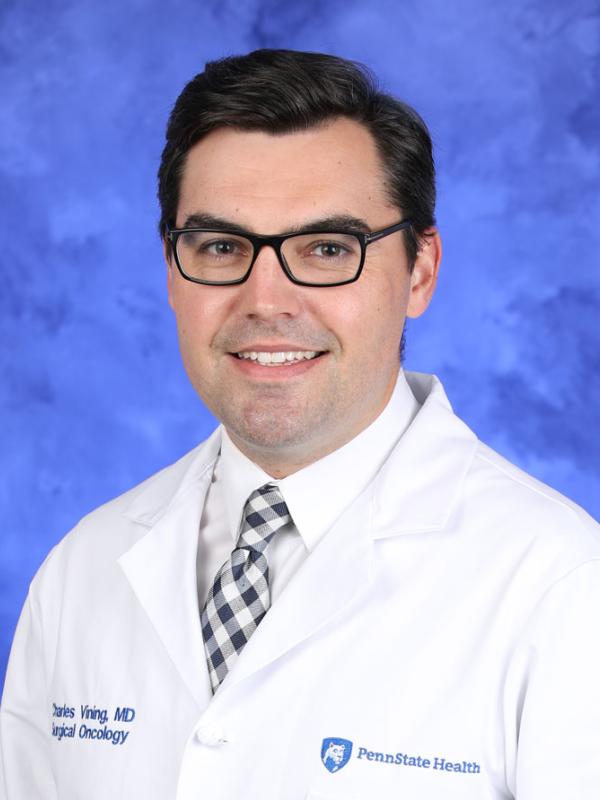
Gastrointestinal surgical oncology surgery


Convenient Locations
Find the care your family needs, close to home, at one of our many locations throughout central Pennsylvania.
Find a location near you