


The Penn State Health approach to gynecologic oncology
A cancer diagnosis can feel overwhelming, but you don't have to face it alone. At Penn State Health, our gynecologic oncology team provides expert, compassionate care for cancers of the female reproductive system. We create a personalized treatment plan based on your needs and goals. You’ll have access to advanced surgery, the latest cancer treatments, clinical trials and supportive services, all coordinated by a team of specialists working together for you.
Conditions we treat
- Cervical cancer
- Endometrial (uterine) cancer
- Gestational trophoblastic disease
- Ovarian cancer
- Pelvic masses and other complex gynecologic conditions requiring surgery
- Placenta accreta spectrum
- Precancerous conditions, including:
Cervical dysplasia
Endometrial intraepithelial neoplasia
Vaginal dysplasia
Vulvar dysplasia
- Vaginal cancer
- Vulvar cancer
Our treatment approach
Every gynecologic cancer is different. That’s why we create a treatment plan tailored to your diagnosis, stage of disease, overall health, fertility goals and personal preferences. Our specialists work together to recommend the treatment options that offer the best possible outcome while helping maintain your quality of life.
Your case is reviewed by our multidisciplinary tumor board – a team of cancer specialists who provide diagnosis and treatment recommendations – so you benefit from a wide range of expertise.
Surgery
For many gynecologic cancers, surgery is the first step in treatment. Our gynecologic oncologists perform both minimally invasive and complex open procedures using the latest approaches.
Whenever possible, we use robotic-assisted and laparoscopic surgery, which may mean:
- Smaller incisions
- Less pain
- Shorter hospital stays
- Faster recovery
For complex cases, we work closely with specialists in urologic oncology, colorectal surgery and surgical oncology to provide complete care.
Chemotherapy
We offer a full range of chemotherapy treatments for gynecologic cancers. Depending on your cancer type and stage, you may have chemotherapy before surgery, after surgery or as the main treatment.
Targeted therapy and immunotherapy
Some gynecologic cancers respond to medications that target specific features of cancer cells or help the body's immune system fight cancer. Advanced molecular testing of tumors helps us determine whether these therapies may be right for you.
Radiation therapy
When radiation therapy is recommended, we partner closely with radiation oncologists who specialize in gynecologic cancers to provide coordinated, comprehensive cancer care
Hyperthermic intraperitoneal chemotherapy (HIPEC)
We are one of the few centers in the region to offer HIPEC for carefully selected patients with advanced ovarian cancer. During this treatment, heated chemotherapy is delivered directly into the abdomen after the tumor is removed to help destroy remaining cancer cells. Our team carefully evaluates each patient to determine whether HIPEC may have benefits.
Research and clinical trials
Our physicians are actively involved in clinical research to improve how gynecologic cancers are prevented, diagnosed and treated. Eligible patients may have access to clinical trials evaluating promising new therapies and treatment approaches.
Every clinical trial undergoes rigorous scientific and ethical review, and participation is always voluntary.
Fertility preservation
If you hope to have children in the future, fertility preservation may be an option. For some patients with early-stage disease, we can offer fertility-sparing treatments when they are safe and appropriate. We work closely with reproductive endocrinology and infertility specialists to help protect future reproductive options whenever possible.
Genetic counseling
Some gynecologic cancers are linked to inherited genetic conditions. Through the Kristen Olewine Milke Cancer Assistance and Resource Education (CARE) Center at Penn State Cancer Institute, genetic counselors help you understand your risk, decide whether genetic testing may be right for you and discuss what the results may mean for you and your family.
Supportive and survivorship care
Cancer affects more than your physical health. Throughout treatment and recovery, you have access to services that support your overall well-being, including:
- Nurse navigation
- Nutrition counseling
- Social work
- Financial counseling
- Symptom management
- Survivorship care
- Support groups
Learn more about these services through the CARE Center.
Specialized care for rare and complex conditions
GTN Center of Excellence
We are a recognized Gestational Trophoblastic Neoplasia (GTN) Center of Excellence. Our team provides expert diagnosis, treatment and follow-up care for patients with gestational trophoblastic disease, including molar pregnancy and other rare, related conditions.
We also work closely with referring providers to ensure coordinated, timely care.
Placenta Accreta Spectrum Referral Center
As a regional referral center for placenta accreta spectrum, we care for patients with complex, high-risk pregnancies. Specialists from multiple disciplines work together to create personalized delivery and surgical plans focused on improving safety and outcomes for both parent and baby.
Meet the Team
Gynecologic Oncology

Shaina F. Bruce, MD
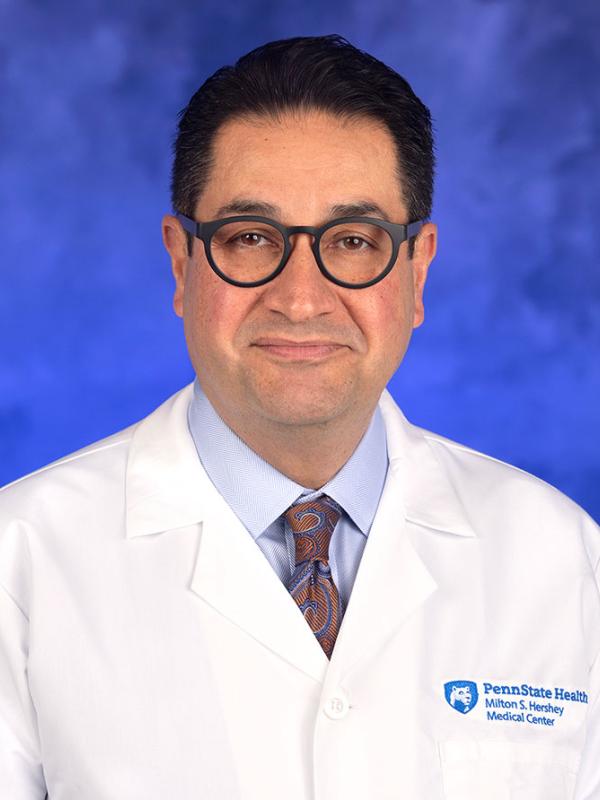
Mark S. Shahin, MD

Joel I. Sorosky, MD
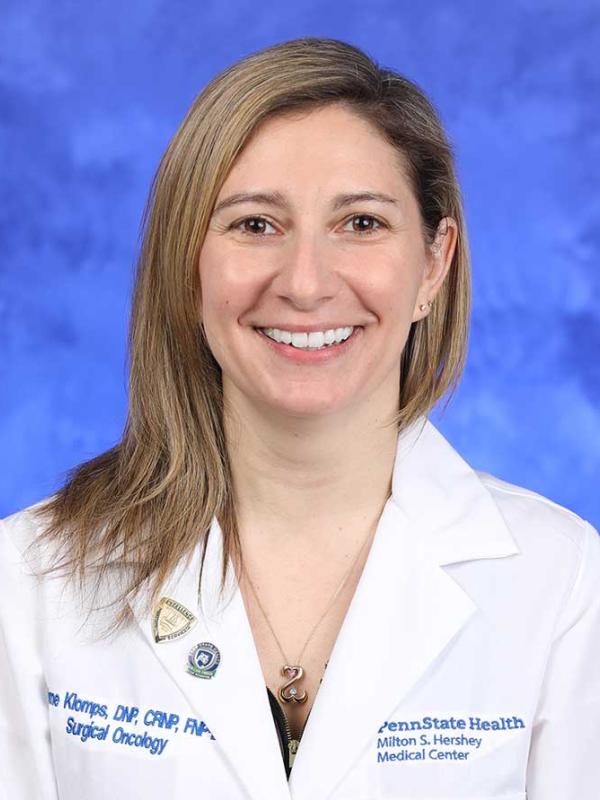
Colorectal Surgery

Heather E. Carmichael, MD

Audrey S. Kulaylat, MD

Patricio B. Lynn, MD

Jeffrey S. Scow, MD
Interventional Radiology
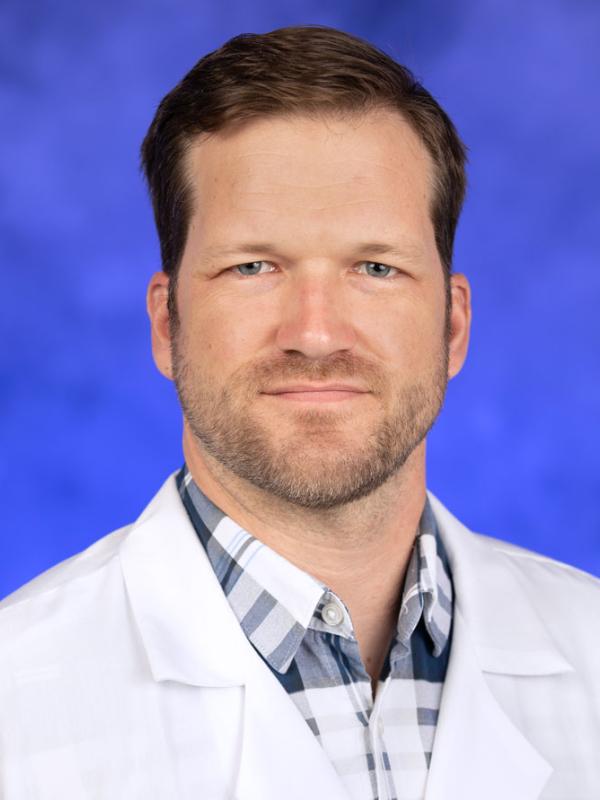
Radiology

Margaret O. Adejolu, MD
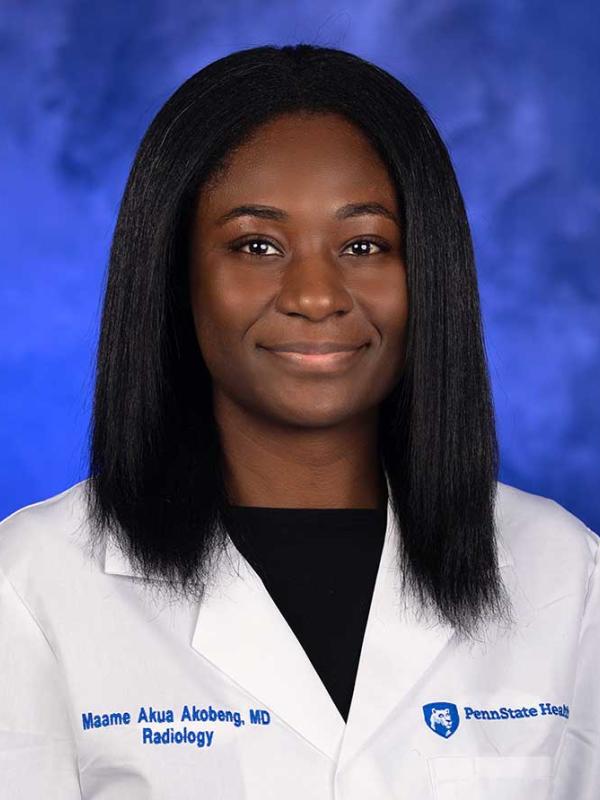
Maame Akua M. Akobeng, MBBS

Nabeel E. Sarwani, MD
Radiation Oncology
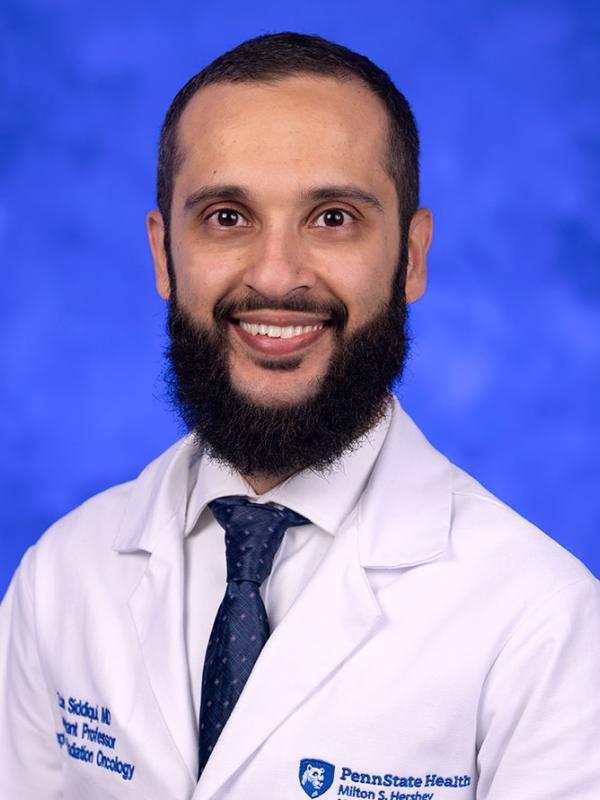
Zain Siddiqui, MD

Leonard C. Tuanquin, MD
Surgical Oncology

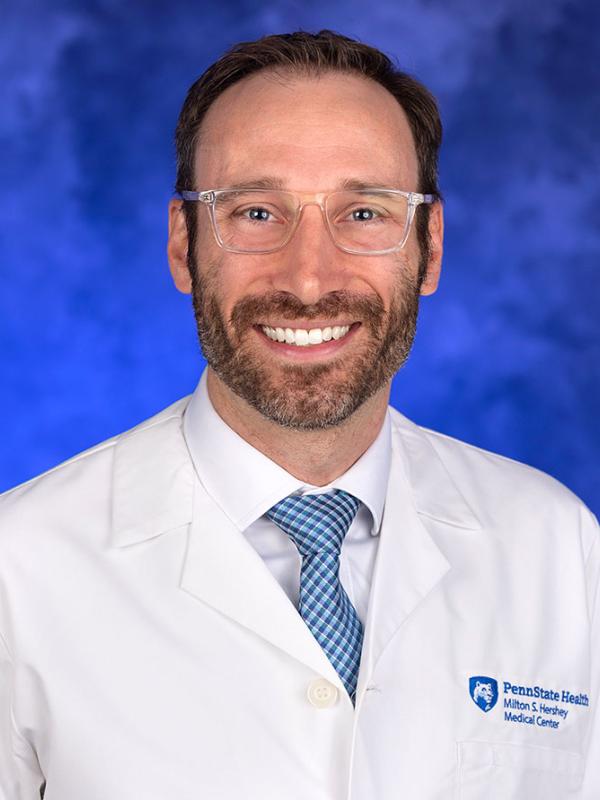
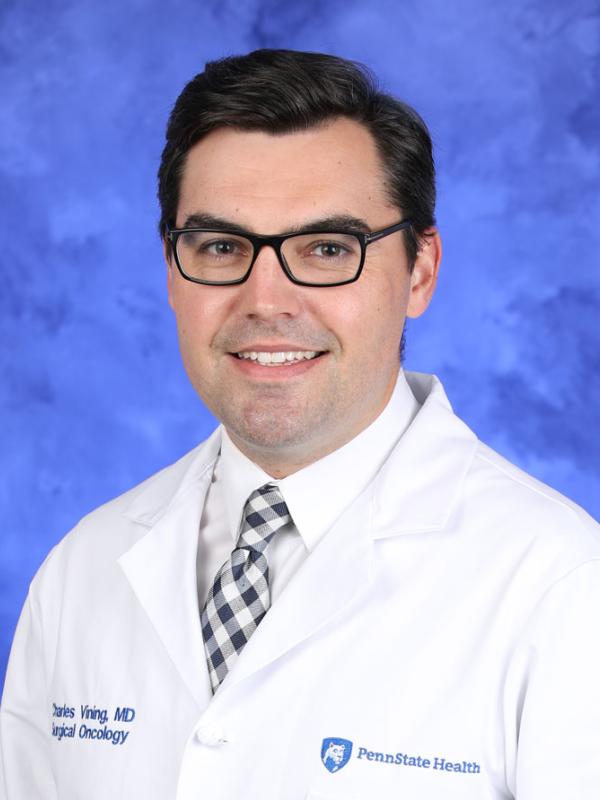
Urology

Alireza Aminsharifi, MD

Matthew G. Kaag, MD
Frequently Asked Questions
What is a gynecologic oncologist, and how do they differ from an OB-GYN?
A gynecologic oncologist is a physician who specializes in diagnosing and treating cancers and precancers of the female reproductive system, including ovarian, uterine (endometrial), cervical, vulvar and vaginal cancers. After completing residency training in obstetrics and gynecology, gynecologic oncologists complete several additional years of specialized training in cancer surgery, chemotherapy and the management of complex gynecologic conditions. While your OB-GYN provides routine women's health care, a gynecologic oncologist has advanced expertise in treating gynecologic cancers and certain precancerous conditions.
What are the early symptoms of ovarian cancer and other gynecologic malignancies?
Early symptoms can vary depending on the type of cancer, and some gynecologic cancers may not cause symptoms until they become more advanced. Common symptoms to watch for include:
- Abnormal vaginal bleeding, especially bleeding that returns after menopause
- Bloating or increased abdominal size
- Pelvic or abdominal pain
- Feeling full quickly when eating
- Frequent or urgent urination
- A pelvic mass or swelling
- Persistent itching, pain or sores of the vulva
These symptoms are often caused by conditions other than cancer, but if they are new, persistent or worsening, it's important to talk with your health care provider. Early evaluation can lead to earlier diagnosis and more treatment options.
What options are available for gynecologic oncology surgery, and what is the recovery like?
The type of surgery depends on your diagnosis and the stage of your disease. Whenever possible, our surgeons use minimally invasive techniques, including robotic-assisted and laparoscopic surgery, which often result in smaller incisions, less pain, shorter hospital stays and faster recovery. Some patients require more extensive surgery for advanced cancers.
Our gynecologic oncologists are experienced in performing complex procedures and work closely with specialists in urology, colorectal surgery and surgical oncology when needed. Recovery varies based on the type of surgery. Many patients who have minimally invasive surgery return home the same day or after one night in the hospital and resume normal activities within a few weeks. Recovery after more extensive surgery may take longer. Your care team will discuss what to expect and provide detailed instructions to support your recovery.
How are complex conditions like cervical dysplasia or abnormal Pap smears managed?
An abnormal Pap smear does not mean you have cancer. In many cases, it detects changes in the cervix that can be monitored or treated before they become cancerous. Depending on your results, your provider may recommend additional testing, such as a colposcopy (a closer examination of the cervix) or a biopsy. Some patients may need procedures to remove abnormal cells, while others may only need regular follow-up. Our specialists work closely with your referring provider to develop a personalized plan based on your diagnosis, age and future fertility goals.
Do I need a doctor's referral to see a Penn State Health gynecologic oncologist?
Many patients are referred by their OB/GYN, primary care provider or another specialist. However, a referral is not always required. If you have been diagnosed with a gynecologic cancer, have a suspicious pelvic mass or would like a second opinion, you can contact our office directly to discuss scheduling an appointment. Our team can also help determine whether your insurance requires a referral.
Where are your clinical locations, and how do I schedule an appointment in Hershey or Enola, PA?
Our gynecologic oncology team sees patients at convenient locations in Hershey (Penn State Health Milton S. Hershey Medical Center) and Enola (Penn State Health Hampden Medical Center). To schedule an appointment at either location, call 1-888-531-6585. Our scheduling team will help you find the location and appointment time that best meets your needs.
If another physician refers you, we will work with your provider to obtain your medical records and imaging before your visit whenever possible, helping ensure a smooth and timely evaluation.
Our Convenient Locations
We care for people at all stages, whether you’re seeking a second opinion or beginning treatment. Call 717-531-6585 to schedule an appointment today.