

Transforming pediatric cancer care through precision medicine
At Penn State Health Golisano Children’s Hospital, we approach pediatric cancer care through precision medicine, tailoring treatment to each child’s unique genetic makeup and specific cancer profile. By integrating advanced genomic testing, molecular diagnostics and data-driven research, our molecular tumor board approach identifies targeted therapies for each child. Working together, our oncologists, geneticists, pharmacists and bioinformatic researchers develop individualized care plans with the goal of improving outcomes and quality of life, offering new hope to children and families facing even the most challenging cancer diagnoses.
How does precision medicine work?
- Consent for testing - Your child’s doctor will ask for permission before any testing or research is done.
- Sample collection for DNA/RNA sequencing - Using a small sample of blood or tumor tissue, we analyze the DNA to look for genetic changes that may be driving your child’s cancer. The blood sample, or “liquid biopsy” measures small amounts of circulating tumor DNA to detect changes in tumor over time or early relapses. This allows us to follow our patients more closely and pivot therapies before the disease burden is too high.
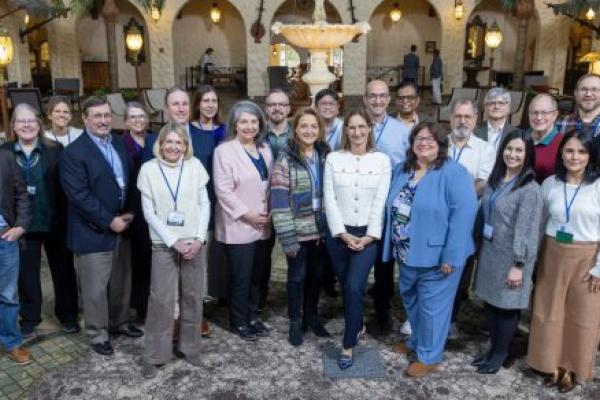
- Expert review - A team of pediatric cancer experts, bioinformaticians, and pharmacists from across the country – called a molecular tumor board – will work together to interpret the findings and recommend treatment options tailored to your child.
- Personalized recommendations - Based on your child’s specific tumor and what we’ve learned from other patients, the team will recommend therapies that are most likely to work, such as targeted medicines, immunotherapy or clinical trials.
What may also happen through research:
Alongside your child’s care, our researchers may take extra steps to better understand the cancer and develop future treatments.
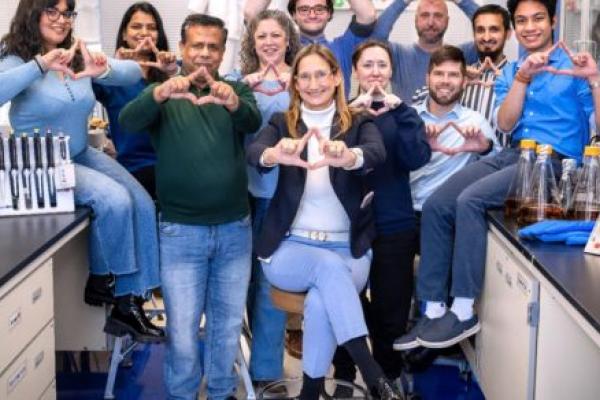
- Creating tumor models: In some instances, cells from your child’s tumor will be grown in our labs to help researchers understand how each cancer behaves.
- Testing medicines in the lab: Scientists may expose these cells to many different medicines to see which ones show promise. While this testing may not guide your child’s immediate care, it helps improve treatments for children in the future.
Clinical trials and research
Our team conducts studies on precision medicine to advance care at the bedside.
View all pediatric cancer studies
Patient stories
Berks family with child fighting cancer reflects on the importance of THON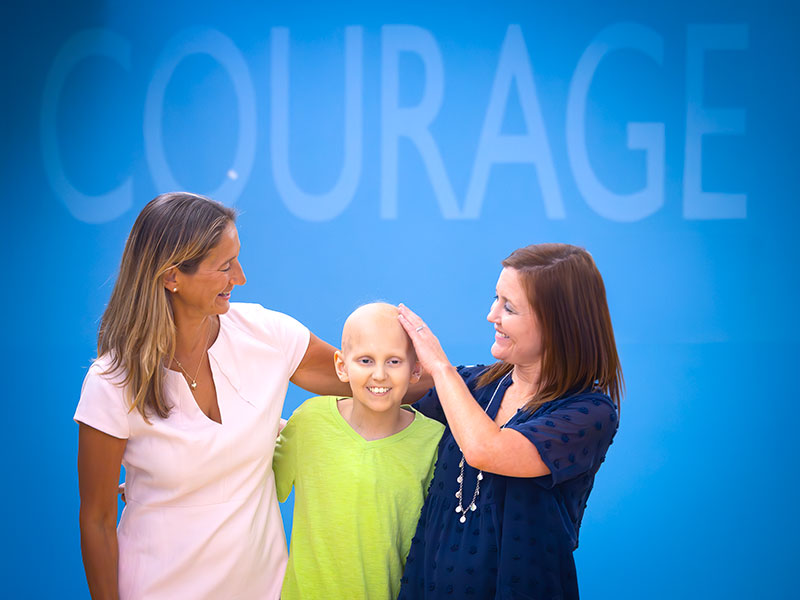
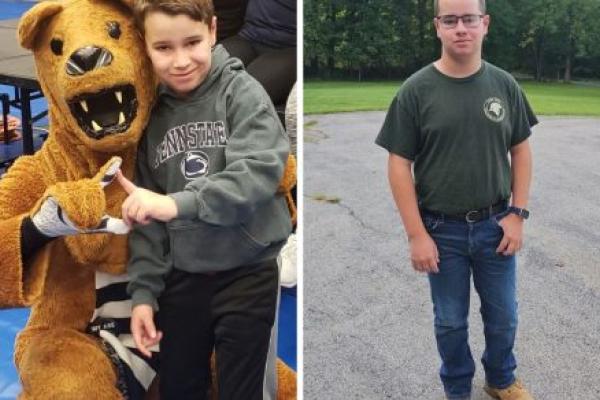
Riley was diagnosed with stage four neuroblastoma in 2017, just before his 5th birthday. Now 12, he is battling cancer for the fourth time. Under the care of Dr. Giselle Saulnier Sholler and her team at Penn State Health Golisano Children’s Hospital and Penn State College of Medicine, Riley has benefited from precision medicine and having his unique tumor analyzed and treated. Support from Four Diamonds, which receives funding from THON, has also helped his family along the way.
Precision medicine helps child with neuroblastoma thrive
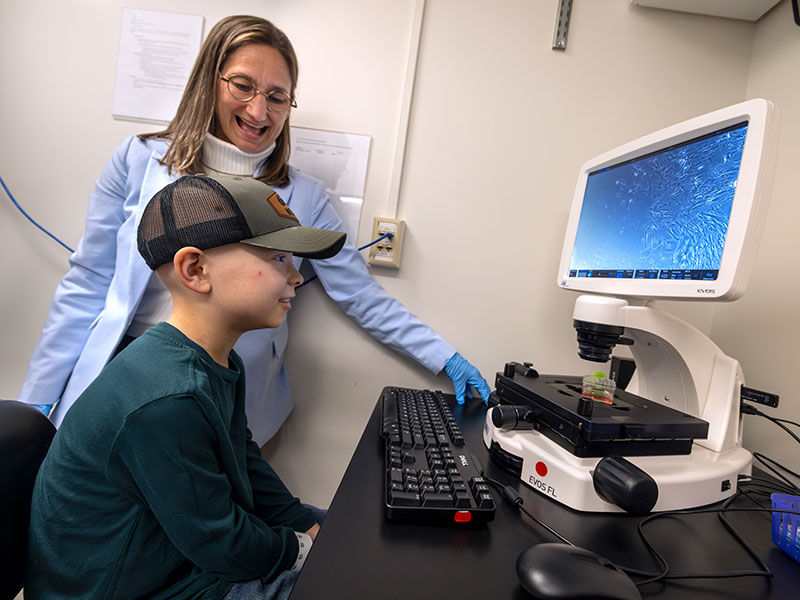 When doctors at Penn State Health Golisano Children’s Hospital diagnosed Westin with neuroblastoma, the cancer had already spread from his adrenal gland to his belly. He needed urgent, intensive treatment. Dr. Dan McKeone and Dr. Giselle Saulnier Sholler explain how experts at the Children’s Hospital use precision medicine to design a personalized treatment plan that targets the cancer. Their approach gives Westin the best chance not just to survive cancer, but to thrive for years to come.
Meet our team

Giselle L. Saulnier Sholler, MD
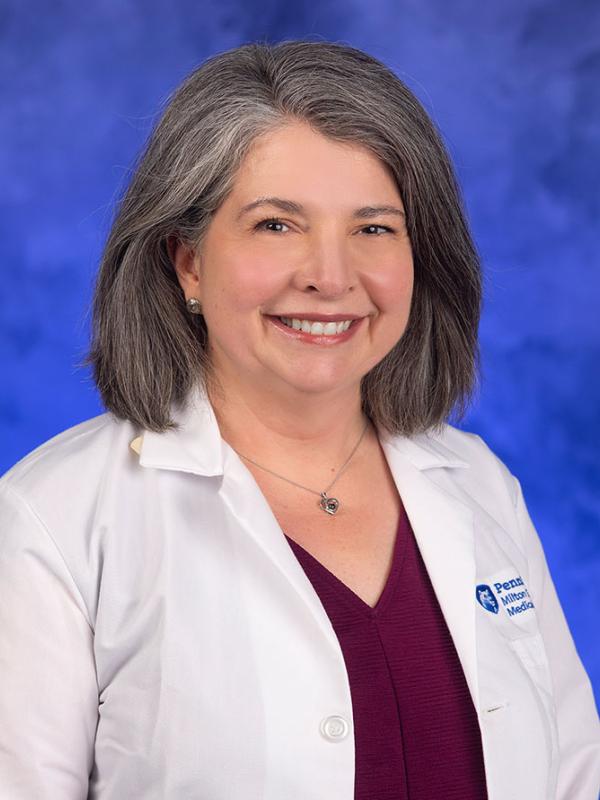
Lisa M. McGregor, MD, PhD
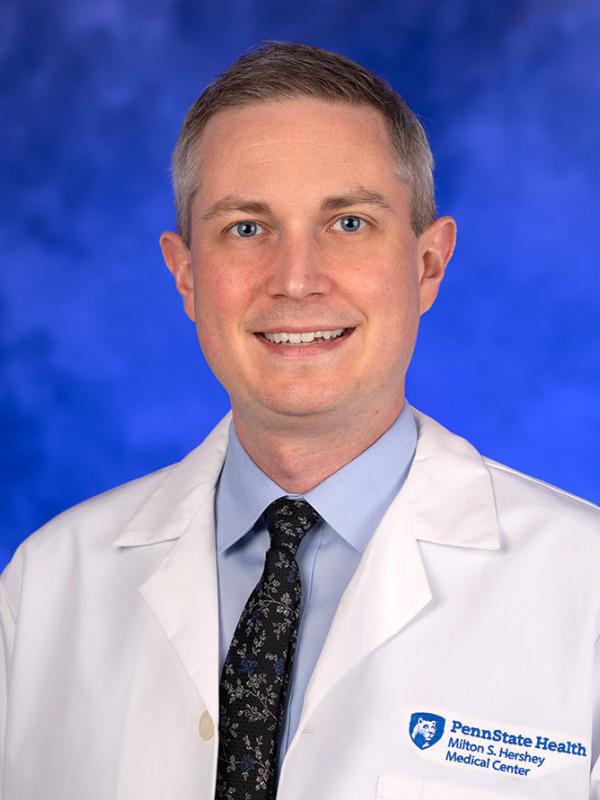

Joseph W. Schramm, MD
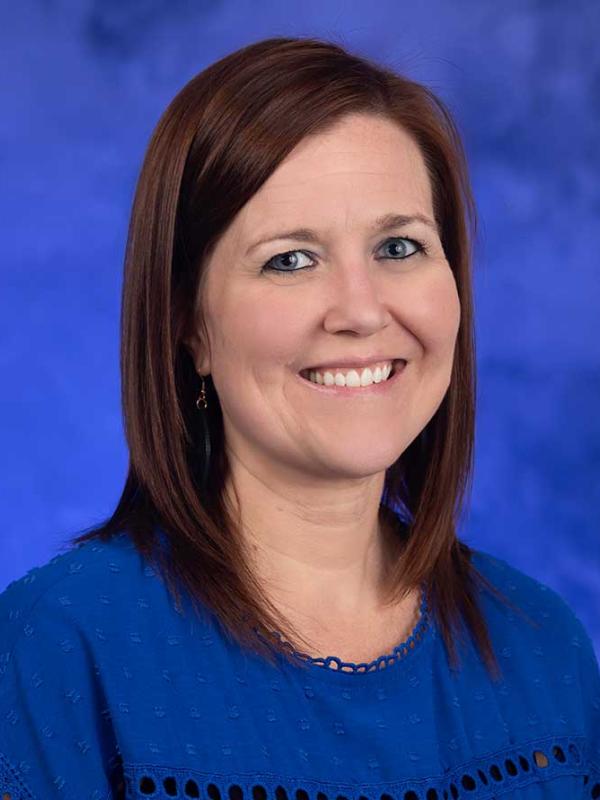

Melissa Roslevege, RN
Pediatric Oncology Nurse Specialist