



Inspire Therapy for Obstructive Sleep Apnea in Children with Down Syndrome
The Penn State Health Golisano Children’s Hospital Approach to Treating Obstructive Sleep Apnea in Children with Down Syndrome
Each year, about 6,000 babies are born with Down syndrome. About 60% of these children will develop obstructive sleep apnea (OSA). Their smaller airways, lower muscle tone and larger tongues can block airflow during sleep, lowering oxygen levels. Children with OSA often struggle with daily challenges because of poor sleep, including behavior and speech difficulties. Untreated OSA can cause poor sleep, leading to behavior and speech difficulties, weaken the immune system and increase heart risks. While some children with Down syndrome do well with continuous positive airway pressure (CPAP) therapy, others have trouble wearing the CPAP mask because they are sensitive to touch or feel.
The pediatric sleep experts at Golisano Children’s Hospital at Penn State Health Milton S. Hershey Medical Center are here to help. Golisano Children’s Hospital is the first pediatric hospital in central Pennsylvania to offer Inspire therapy (hypoglossal nerve stimulation device), to treat sleep apnea in children ages 13 and older with Down syndrome.
What is Pediatric Obstructive Sleep Apnea?
Obstructive sleep apnea is a sleep disorder that causes repeated pauses in breathing during sleep. The lack of restful sleep can cause irritability and behavioral issues at home and school. Early treatment can support healthy growth, learning, and development by helping your child get the restful sleep they need.
OSA is diagnosed by a doctor using a sleep study. The most common symptom is snoring, but others include pauses in breathing, gasping for air, headaches, dry mouth, trouble concentrating, forgetfulness or depression. Children with OSA may wake up sleepy and have attention problems during the day. If you notice these symptoms, talk with your child’s doctor.
How Does Inspire Therapy Work?
Inspire therapy is the first U.S. Food and Drug Administration-approved OSA treatment that works inside the body to treat the root cause of sleep apnea. It helps your child breathe naturally while sleeping. A small device is implanted under the skin near the collarbone during a minimally invasive procedure.
The Inspire Sleep App and handheld remote allow users to control the Inspire implant and personalize therapy settings. The remote is used to turn Inspire on before sleep and off in the morning. While your child is sleeping, Inspire sends gentle stimulation to the tongue to help keep the airway open. This helps prevent breathing pauses and allows your child to sleep more restfully. Inspire also includes delayed “turn on” and automatic “shut off” features, giving your child time to fall asleep before therapy begins and automatically turning the therapy off after a set period of time.
What Are the Benefits?
The Inspire implant helps children with Down syndrome sleep better, which means parents sleep better, too. Inspire therapy may also help your child:
- Reduce tiredness and increase energy
- Improve focus and concentration, at home and in school
- Decrease mood swings and improve behaviors
- Lower their risk of heart problems and stroke linked to sleep apnea
Who Can Get Pediatric Inspire Therapy?
Children with Down syndrome may be candidates for Inspire therapy if they:
- Are age 13 or older
- Have moderate to severe OSA (between 10 and 50 events per hour)
- Has persistent OSA despite tonsil and adenoid removal
- Have had little or no success with CPAP therapy
How Are Patients Evaluated?
Children with OSA are evaluated by a multidisciplinary team of specialists, including surgeons and pulmonologists, who work together to decide if Inspire therapy is the right choice.
Our Experts in Care

Allison M. Keane, MD

Pritish Mondal, MD
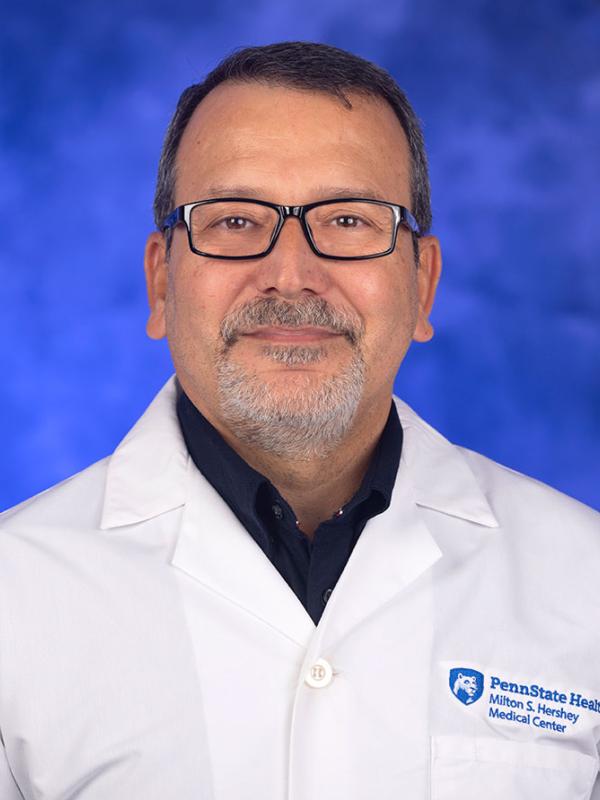
Ahmet Tanritanir, MD

Gil Zoizner-Agar, MD
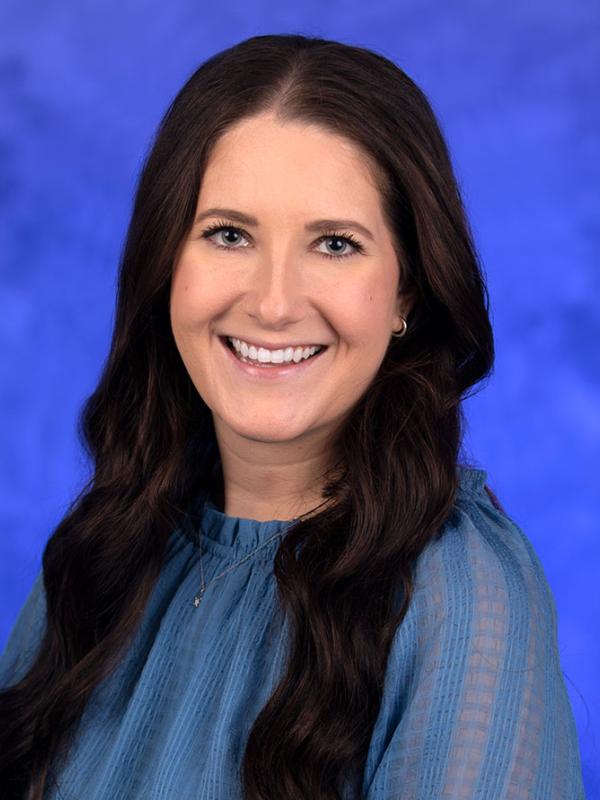
Danielle E. Stotler, CRNP

Kelly M. Lynch, CRNP
Why Choose Penn State Health for Inspire Therapy
Customized, Multidisciplinary Care
Golisano Children’s Hospital is part of Penn State Health Milton S. Hershey Medical Center, the only locally based academic medical center in central Pennsylvania, which offers innovative treatments and specialized care that can’t be found anywhere else in the region. Milton S. Hershey Medical Center has been recognized by U.S. News & World Report for excellent ear, nose and throat care in its 2025-2026 Best Hospitals rankings.
Commitment to Research
Penn State Health Golisano Children’s Hospital takes part in clinical trials through Penn State College of Medicine to improve care for children with various conditions. To learn more about clinical trials, please visit StudyFinder.
Location and Directions
Otolaryngology-Head and Neck Surgery
200 Campus Drive
Suite 400 | Entrance 3
Hershey, PA 17033