


Driving breakthroughs in pediatric cancer care
At Penn State Health Golisano Children’s Hospital, we specialize in treating all types of leukemia and lymphoma, from new cases to relapsed and hard-to-treat disease. We provide the latest treatments, including targeted therapies, immunotherapy and access to advanced clinical trials. More than medical care, we stand with families from diagnosis to survivorship with empathy, clear communication and hope.
Conditions we treat
- Acute Lymphoblastic Leukemia (ALL)
- Acute Myeloid Leukemia (AML)
- Chronic Myeloid Leukemia (CML)
- Hemophagocytic Lymphohistiocytosis (HLH)
- Hodgkins Lymphoma
- Langerhans Cell Histiocytosis (LCH)
- Non-Hodgkins Lymphoma (NHL)
Clinical trials and research
We are dedicated to providing your child with the latest and most advanced cancer treatments available. As a proud member of the Children’s Oncology Group, the world’s largest organization focused solely on childhood and adolescent cancer research, we work closely with experts worldwide to improve outcomes for children with cancer. This collaboration allows your child to access leading-edge clinical trials for many types of childhood cancers, including leukemia.
Our specialized program, Experimental Therapeutics Research and Clinical Team (ExTRaCT), offers early-phase clinical studies designed especially for children with high-risk or relapsed cancers, giving families new hope when it’s needed most.
Meet our team


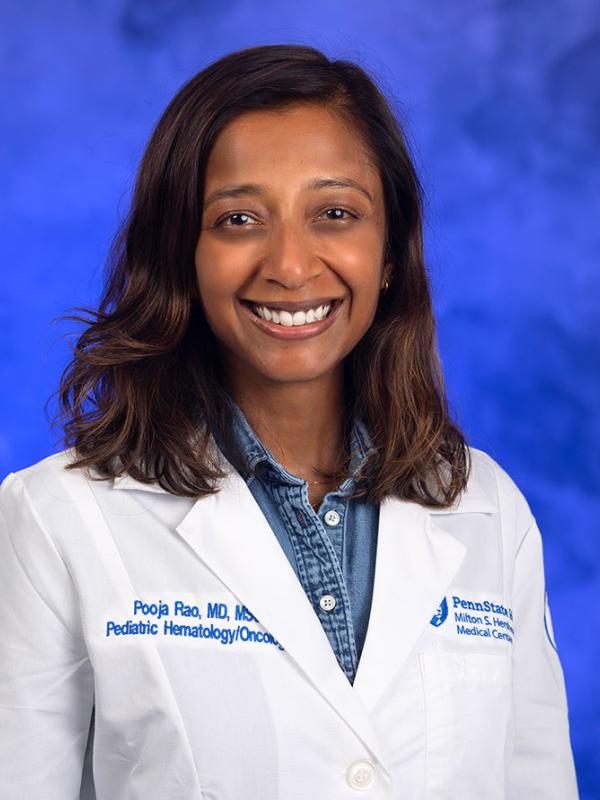
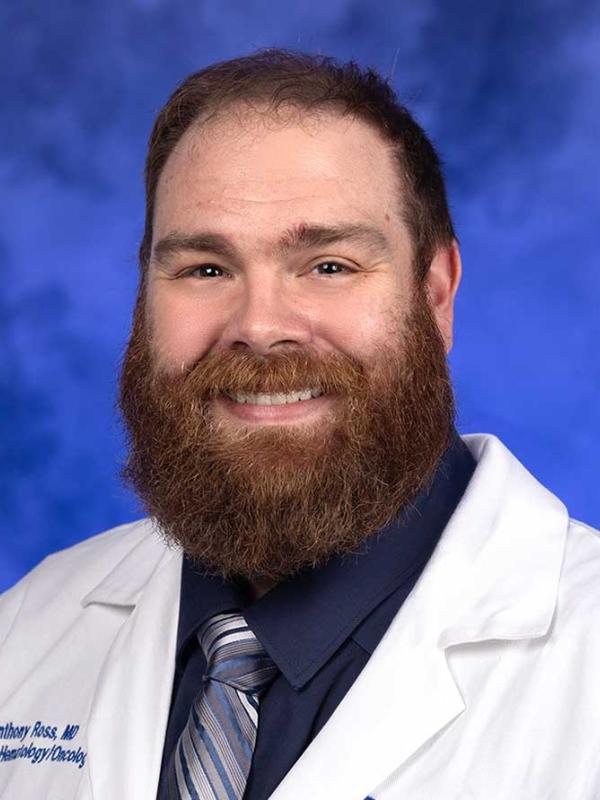
Anthony J. Ross, MD

Joseph W. Schramm, MD

Gayle M. Smink, MD, MPH
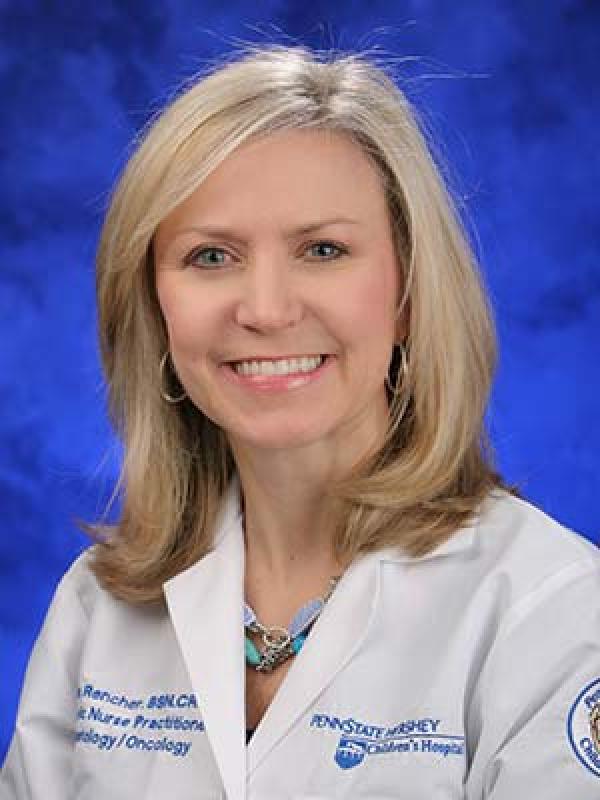
Jacquelyn R. Rencher, CRNP
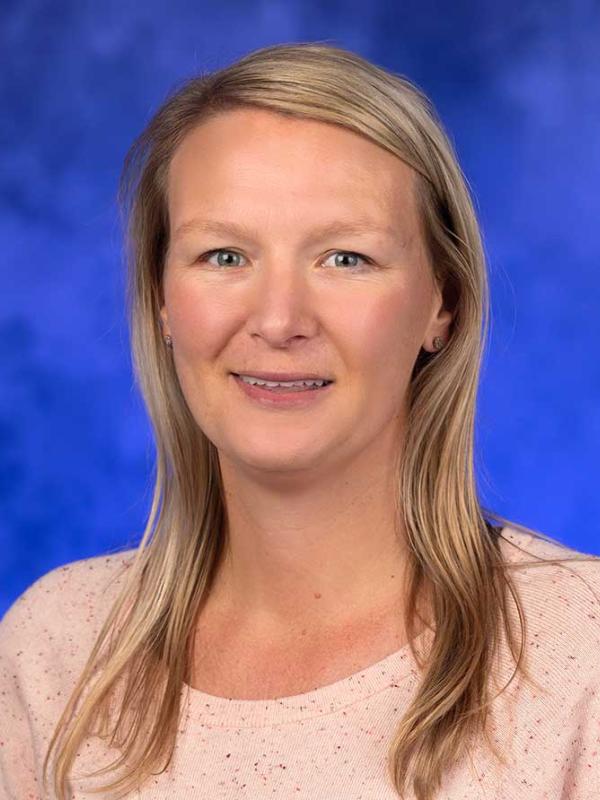
Stephne Spenceley, CRNP
Meet our partners in the lab
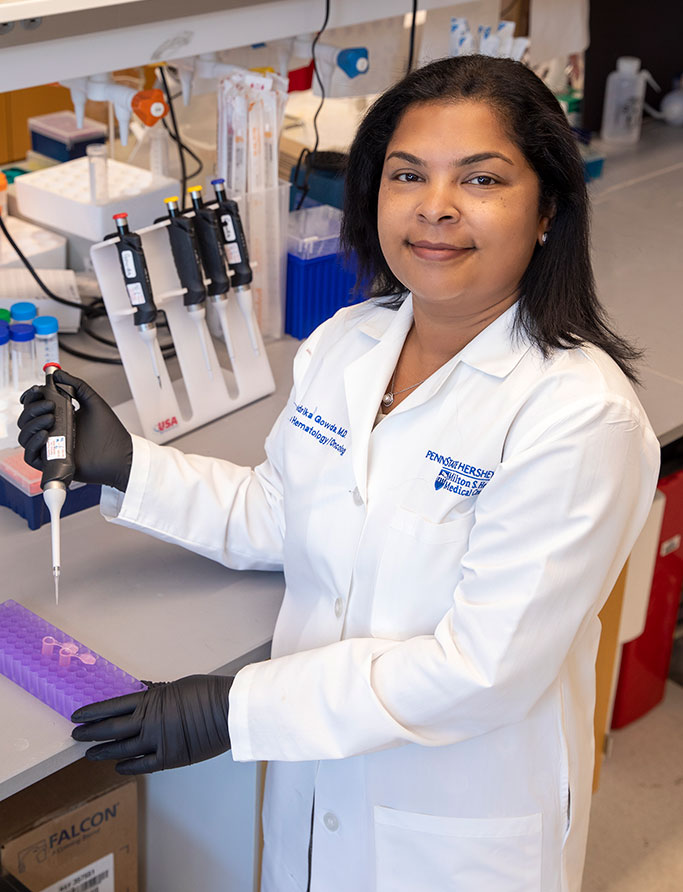 Chandrika Behura, MD
Penn State Cancer Institute profile
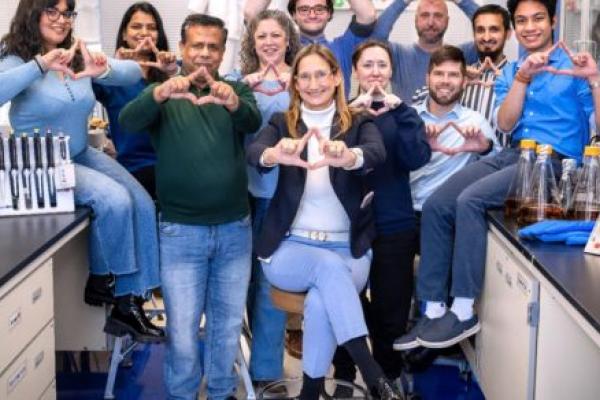
The Behura Lab is dedicated to finding new treatments for children whose cancers have returned or are difficult to treat, focusing especially on a tough blood cancer called Acute Myeloid Leukemia (AML). The research has led to a promising way to make cancer cells more sensitive to treatment by targeting a specific protein called CK2, which helps the cancer survive. This breakthrough has led to a new early-stage clinical trial at Penn State Cancer Institute and Penn State Health Golisano Children’s Hospital, aiming to test the safety and effectiveness of a CK2-blocking drug for children with relapsed AML.
Learn more:
- Clinical trial aims to develop more targeted treatments for pediatric cancer
- Q&A: Turning THON fundraising into lifesaving medical treatments
- Hyundai Hope on Wheels presents $400,000 grant for pediatric cancer research
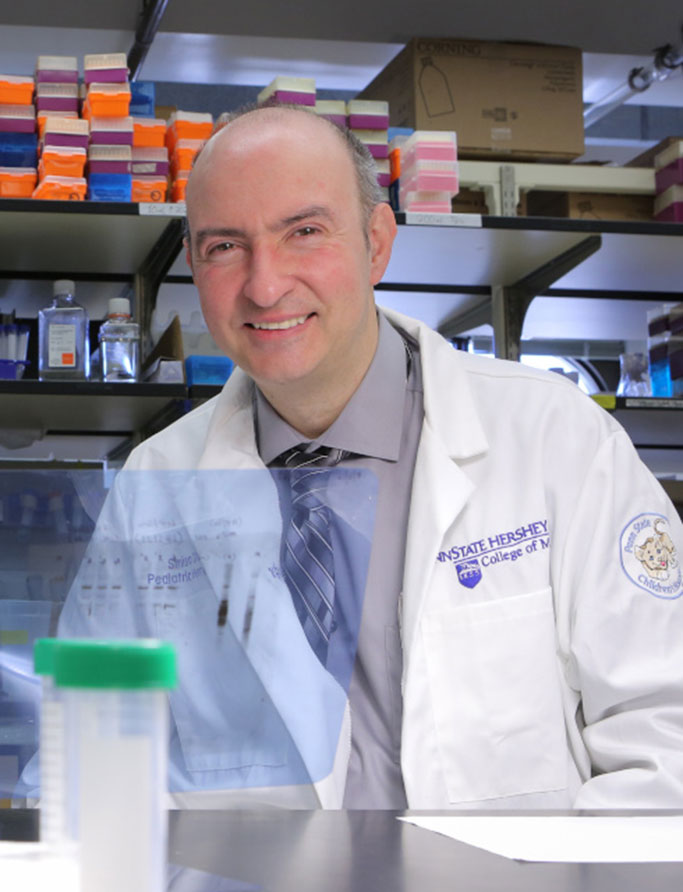
The Dovat Lab is focused on discovering new treatments for high-risk childhood cancers, especially a type called acute lymphoblastic leukemia (ALL). The research explores how changes in gene regulation, called epigenetics, affect how this cancer grows and progresses. By understanding these changes, the lab has identified new targets for more precise, personalized therapies that could improve treatment outcomes. Dr. Dovat and his team also study why some children from different racial and ethnic backgrounds experience different outcomes with ALL – work that has been recognized by the National Cancer Institute for helping to reduce these disparities. Additionally, the lab is investigating ways to protect children from long-term side effects of chemotherapy, like memory problems and early aging, with the goal of improving both survival and quality of life for young cancer survivors.
Translational research, from lab to bedside
 Dr. Joseph Schramm is a physician scientist in the Dovat Lab who is dedicated to finding better treatments for children with leukemia and lymphoma. His research focuses on understanding why some leukemias don’t respond to current therapies, by studying changes in gene regulation, which is known as epigenetics. His goal is to turn these discoveries into better diagnostic tools and more effective therapies that he can offer directly to the patients he cares for, improving their outcomes and offering new hope to families.
Learn more:
- Developing a new treatment strategy for pediatric leukemia
- Close Up Radio Spotlights Pediatric Oncologist and Physician-Scientist Dr. Sinisa “Sunny” Dovat
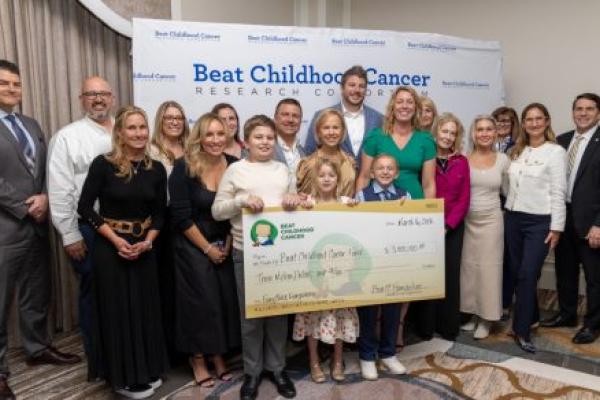
- College of Medicine awarded $4 million grant to advance pediatric oncology research - Penn State Health News
- Childhood cancer research pioneers backed by Four Diamonds and THON
- Gene mutations linked to worse outcomes from leukemia in Hispanic and Latino children
Stories of strength, hope and healing
Hear Penelope’s oncologist, Dr. Daniel McKeone, discuss the support available to patients and family with the help of Four Diamonds and THON.
FAQs
What is the difference between leukemia and lymphoma?
Leukemia and lymphoma are both forms of blood cancer, but they affect the body in different ways. Leukemia mainly affects the bone marrow and bloodstream, but it can also spread to other areas, like the lymph nodes, spleen or liver. Lymphoma is a type of blood cancer that affects cells called lymphocytes. Lymphoma begins in the lymphatic system, a vital part of your immune system that helps protect your body from illness and infections.
Is leukemia a serious cancer?
Leukemia is the most common type of cancer in children. The blood cancer begins in bone marrow and quickly spreads throughout the body. It accounts for about 25% of all childhood cancers in the United States.
What are the three types of leukemia?
The three types of leukemia seen in children are Acute Lymphoblastic Leukemia (ALL), Acute Myeloid Leukemia (AML) and Chronic Myeloid Leukemia (CML).