


What is a vascular ring?
A vascular ring is a rare congenital condition that develops before birth. It happens when the aorta – the body’s main artery – or one of its branches, forms differently than usual. This can create a complete ring that surrounds the trachea (windpipe), esophagus or both. In some cases, a partial ring forms, which doesn’t fully surround these structures but can still press on them.
Common types of complete vascular rings include:
- Double Aortic Arch – A double aortic arch is a rare condition present at birth in which the body's main artery (the aorta) forms two arches instead of one. These two arches wrap completely around the trachea and esophagus, creating a vascular ring. The right arch is usually larger than the left.
- Right Aortic Arch with aberrant left subclavian artery and left ligamentum – In this condition, the aorta curves to the right side instead of the left. The left subclavian artery, which supplies blood to the left arm, comes off the aorta in an unusual position. A small band of tissue called the ligamentum arteriosum connects the aorta to the left pulmonary artery. Together, these structures can form a vascular ring around the trachea and esophagus.
Common types of partial vascular rings include:
- Left aortic arch with aberrant right subclavian artery – In this condition, the aorta follows its usual path on the left side, but the artery that supplies blood to the right arm (the right subclavian artery) arises from an unusual location. Instead of branching off normally, it travels behind the esophagus on its way to the right arm.
- Innominate Artery Compression Syndrome – In this condition, the innominate (brachiocephalic) artery, which is the first branch of the aorta, crosses in front of the trachea and presses on it.
- Pulmonary Artery Sling – A pulmonary artery sling is a rare condition in which the left pulmonary artery arises from the right pulmonary artery instead of its usual location. The artery then passes between and behind the airway, creating a "sling" around the trachea. This is also associated with narrowing of the trachea due to abnormal cartilage rings, which is addressed during surgery.
Vascular ring symptoms
Symptoms can vary depending on the type of vascular ring and how much pressure it places on the airway or esophagus. Some people never experience symptoms, while others develop problems during infancy, childhood or adulthood.
Common symptoms may include:
- Noisy breathing
- Chronic cough or wheezing
- Frequent respiratory infections
- Slow to finish a bottle
- Inability to tolerate solids
How vascular rings are diagnosed
Some vascular rings are diagnosed during prenatal imaging. After birth, diagnosing a vascular ring starts with a review of symptoms, medical history and a physical exam. Your care team may recommend imaging tests and other procedures to better understand your anatomy and how the vascular ring is affecting your airway or esophagus.
Tests may include:
- Chest X-ray
- CT scan or MRI
- Barium swallow study
- Bronchoscopy
- Upper endoscopy
Vascular ring treatment and outlook
Surgery is often recommended when a vascular ring causes symptoms by pressing on the windpipe or esophagus. The goal is to relieve pressure, improve breathing and swallowing and prevent long-term complications.
The type of surgery will depend on the patient’s anatomy. During the procedure, surgeons divide or reposition the blood vessel structures that are causing compression. In some cases, additional procedures may be needed to address related airway or esophageal concerns.
Most patients experience significant improvement in breathing, swallowing and overall quality of life after surgery. While some symptoms may take time to fully resolve, especially if the airway or esophagus has been under pressure for a long time, most patients do very well after treatment.
Regular follow-up visits help make sure patients continue to recover and thrive.
Related services and treatments
Why choose Penn State Health for vascular ring and aortic arch care
At Penn State Health, our multidisciplinary vascular ring program brings together experts from congenital heart surgery, cardiology, otolaryngology (ear, nose and throat), pulmonology, and gastroenterology to provide coordinated care.
What makes our program unique is our team-based approach. Specialists meet weekly to review each patient’s evaluation, discuss treatment options and coordinate surgical care and follow-up. This collaboration ensures every patient benefits from the expertise of multiple providers working together to achieve the best possible outcome.
We offer:
- Care for infants, children, adolescents and adults
- Weekly multidisciplinary case review
- Expertise in complex congenital heart conditions
- Comprehensive aerodigestive evaluation
- Advanced imaging and diagnostic testing
- Nurse navigator support throughout treatment and recovery
- Minimally invasive surgical options
What to expect
Referral and evaluation
When you are ready to learn more about vascular ring treatment, ask your physician about a referral. Send the referral to one of our Congenital Heart Center nurse navigators, who help guide families through each step of the process:
Comprehensive review
After your evaluation, specialists from our multidisciplinary team will review your medical information. During weekly conferences, providers will discuss your case to develop the treatment plan that best meets your needs.
Before and after surgery
If surgery is recommended:
- Pediatric ear, nose and throat, or interventional pulmonology specialists will perform airway imaging before and after surgery.
- Congenital heart surgeons, cardiologists and the aerodigestive team will coordinate follow-up care and monitor recovery.
Ongoing care
After treatment, patients continue receiving care from their referring physicians while maintaining follow-up with congenital heart specialists when needed. Our team stays connected to help patients recover and enjoy the best possible health and well-being.
Meet our team
Pediatric and congenital heart surgery

Brittany A. Potz, MD

Karthik V. Ramakrishnan, MBBS
Otolaryngology

Allison M. Keane, MD
Pulmonary

Amy A. Dooley, DO
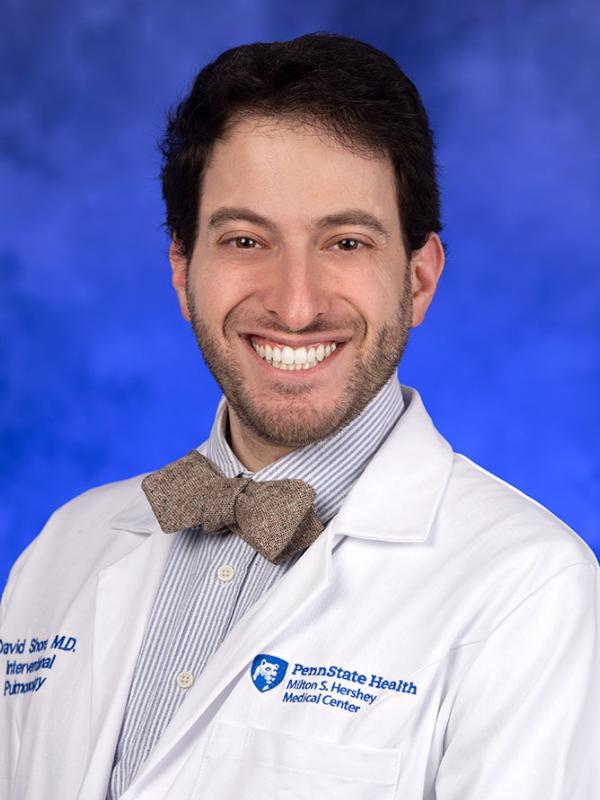
David M. Shore, MD
Frequently asked questions
What are the most common signs of a vascular ring anomaly in children and adults?
Children typically have symptoms such as slow bottle feeding, trouble eating solid foods, frequent respiratory infections and chronic cough. Adults often have trouble swallowing without an obvious cause, even after extensive testing. Physicians need a high level of suspicion to consider and diagnose this condition in adults.
Could my child's barking cough be caused by something other than a vascular ring?
A barking cough also can be caused by a respiratory infection, making it important to have your child seen by a vascular ring specialist to determine the cause.
What does a normal echocardiogram look like vs. one for a vascular ring?
A normal echocardiogram will show a single aortic arch with normal head vessel branching. A vascular ring echo will show abnormal arch anatomy that will require further investigation with a CT angiogram (CTA) or magnetic resonance angiogram (MRA).
How do specialists confirm a double aortic arch or vascular sling diagnosis?
A CTA or MRA is used to confirm the presence of a vascular ring. The patient will need an airway evaluation and barium esophagram to identify if there is constriction to the trachea or esophagus.
What does general anesthesia feel like for a child undergoing vascular ring surgery?
Pediatric patients are cared for in the operating room by cardiac anesthesiologists who specialize in taking care of children, ensuring they are completely asleep, comfortable and pain-free during surgery.
What does the recovery and follow-up care path look like after vascular ring repair?
The hospital stay usually lasts between one and three nights. Patients typically return to normal activities 10 days after surgery.